Key Takeaways at a Glance
- Traditional store produce spends an average of 4 to 7 days in warehouses and middlemen vans.
- Vitamin C in leafy greens diminishes by up to 50% within 48 hours of harvest without temperature control.
- YosiBuy's hyper-local sourcing network links neighboring perimeter farms directly to your nearest hub.
- Proper storage hacks like beeswax wraps and damp linen can double refrigerator shelf life.
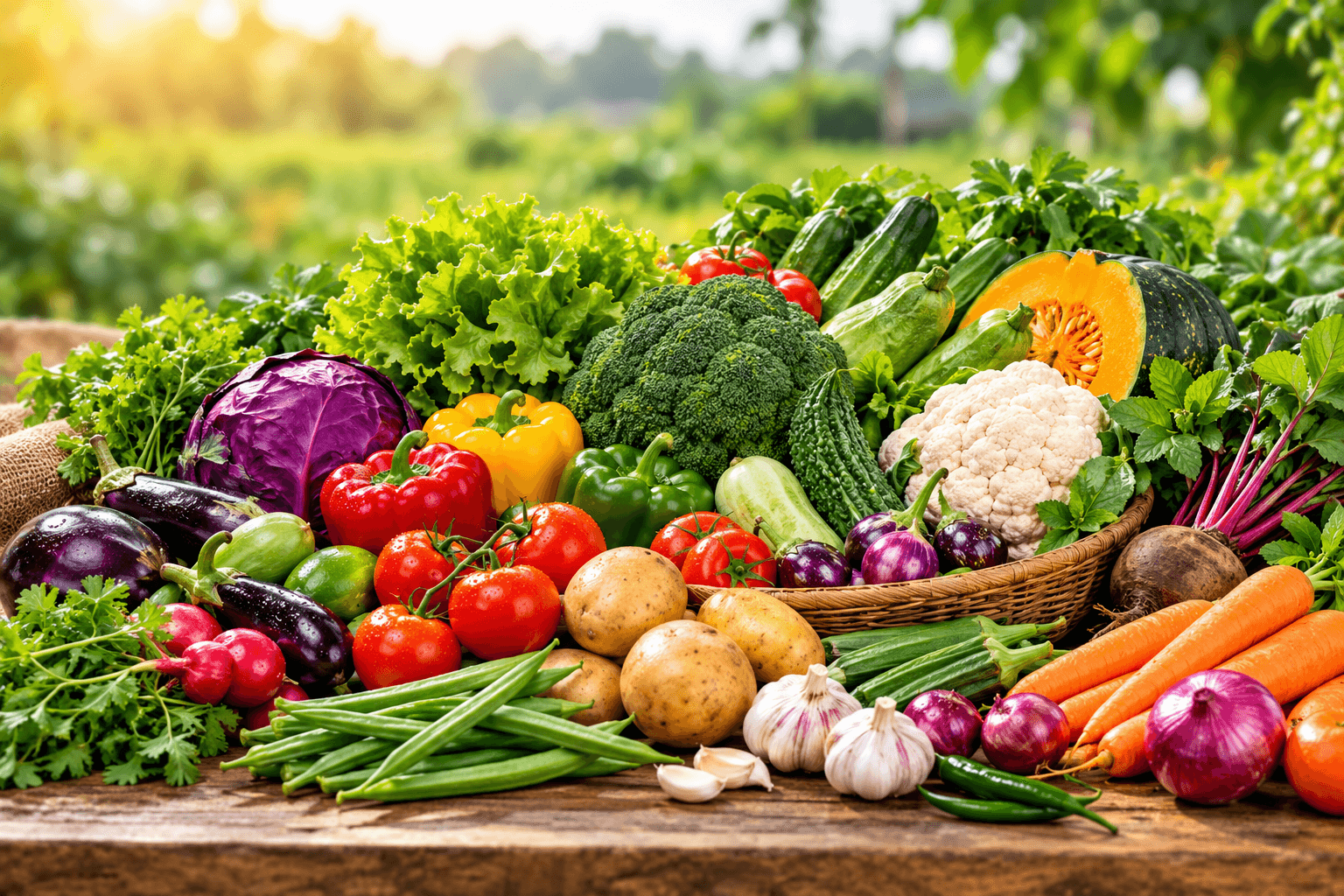
Most consumers assume the spinach or coriander they purchase from a big-box supermarket was plucked the previous afternoon. The reality behind traditional retail grocery supply chains is startling: the typical vegetable spends between four to seven days traveling through wholesale mandis, broker yards, sorting depots, and non-refrigerated trucks before reaching a customer shelf.
The Hidden Supply Chain Lag
During this extended journey, produce is repeatedly exposed to heat cycles, fluctuating humidity, and rough transit. To make vegetables survive this grueling week, many commercial growers harvest crops when they are still premature, relying on ethylene chambers or wax sprays to simulate freshness upon arrival.
"Real food doesn't need cosmetics. When produce is harvested at peak maturity and delivered within 12 hours, its natural flavor profile is so vibrant you need less salt, less oil, and zero artificial seasonings."
Why Harvest Freshness Equals Better Nutrition
Nutritional decay begins the exact second a plant is severed from its root system. Studies conducted by university agricultural extensions show that water-soluble vitamins — particularly Vitamin C and B-complex folate — degrade exponentially under room-temperature storage.
Leafy greens like palak, methi, and mint lose up to 50% of their bio-active vitamin content within just 48 hours of room-temperature transit. Direct sourcing isn't merely about visual crispness; it is about providing your family with the vitamins you believe you are paying for.
How YosiBuy Cuts Transit from Days to Hours
YosiBuy was designed from the ground up to eliminate the 5-tiered middleman carousel. Here is how our daily cycle operates:
- 04:30 AM: Partner farmers harvest crisp vegetables based on predictive local demand models.
- 06:30 AM: Crates arrive at localized sorting pods within a 25km radius. Zero overnight warehousing.
- 08:00 AM: Quality inspection team checks for pesticide residue, crispness, and uniform weight.
- 09:30 AM onwards: Orders are dispatched directly to your doorstep in eco-friendly protective crates.
5 Kitchen Storage Hacks to Keep Veggies Crisp
1. Don't wash leafy greens until cooking: Excess surface moisture fosters bacterial soft rot. Store with a dry cloth inside a breathable container.
2. Trim herb stems: Treat fresh coriander and mint like fresh cut flowers — snip bottom stems and place them upright in an inch of cool water.
3. Separate ethylene emitters: Keep bananas, apples, and ripe tomatoes separate from green leafy vegetables and cucumbers to prevent yellowing.